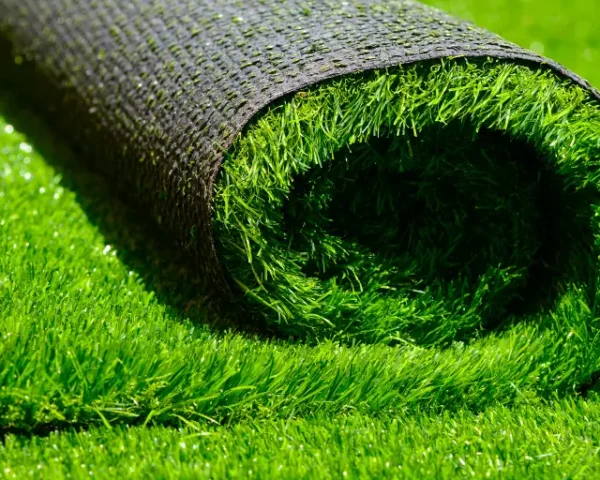
My name is Pat Coll. My 30-plus years as a finish carpenter in the wood floor Industry have been a beneficial factor in the designed pieces I developed. Many techniques I’ve learned in the carpentry trade have been implemented and used in my turf concepts. The concept originated about ten years ago; when artificial turf started showing up in the higher-end new construction and renovation homes I was involved with. I had a theory, why not produce the patterns from the interior floor designs and add them to the outdoors? I started product development and research eight years ago to make a product that holds up both nature’s harsh renderings and my customer’s daily wear and tear. I’ll construct a product ready for installation that can be installed by a homeowner or contracted landscaper.
My Mission
My mission as an artist with artificial grass design service is to provide high-quality and reliable design work to my clients’ turf grass needs. My approach is centered around understanding my clients’ expectations and delivering customized product that perfectly fits their specific requirements. I strive to provide exceptional standards in my work while keeping up to date with the latest innovations in the industry trends. I’m committed to delivering my personalized attention, exceptional quality and great customer service for all.
History
Here’s a little tidbit about the history of artificial grass. It was developed during the early sixties. The product was called Chem-grass. Its first commercial application was installed at a school in New Hampshire in 1964. In 1966, the turf landscaped the Houston Astros stadium. This is in terms labeled the grass, AstroTurf. The term astro turf stuck with the product for years afterward. I recon rolling around on a product called astro turf sounds better than chem-grass. Today, artificial turf is in its third generation of development, with the tones of coloring and sheens used within the main field and added tones of color mixed in the thatch to replicate the look of old dead blade strands mixed within the new.